North Carolina Underage Drinking Laws: FAQs for Parents and Teens
North Carolina underage drinking laws can raise a lot of questions for parents and teens. Can a parent give their own teen alcohol at home? Can someone under 21 possess alcohol without drinking it? What happens if a driver under 21 has any alcohol in their system?
Understanding the law before one of these situations occurs can help families avoid serious consequences. Below, we’re answering some common questions about the legal drinking age in North Carolina, alcohol possession, providing alcohol to minors, driving, and more.
What Is the Legal Drinking Age in North Carolina?
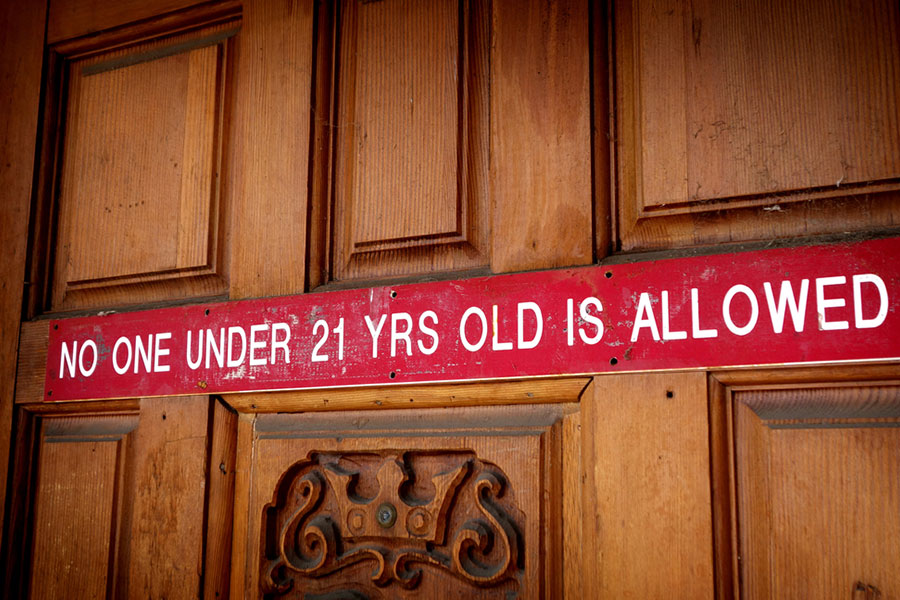
The legal drinking age in North Carolina is 21. Under North Carolina law, a person under 21 years of age cannot purchase, attempt to purchase, possess, or consume alcoholic beverages.
Can Someone Under 21 Possess Alcohol in North Carolina?
North Carolina law prohibits people under 21 from possessing alcoholic beverages. Underage possession is often called ‘minor in possession,’ or MIP. Although the term ‘minor’ often refers to someone under 18, in this context, it means anyone under 21. In North Carolina, a minor in possession charge can apply even if the person hasn’t had anything to drink.
Understanding North Carolina’s laws around underage alcohol possession is important because violations aren’t limited to consuming alcohol. Possessing or attempting to purchase alcohol can also violate state law.
Can Parents Give Minors Alcohol in NC?
No. North Carolina does not provide an exception that allows parents to give alcohol to their children who are under 21. State law makes it unlawful to give alcoholic beverages to anyone under 21 years of age. This applies to your own teen as well as other teens who may be visiting your home.
That means allowing teens to drink at home isn’t a legal workaround simply because you’re present or the alcohol stays on your property. There are still legal consequences of providing alcohol to minors.
Beyond understanding the law, setting clear expectations about alcohol access and rules at home can help your teen understand where you stand before they’re faced with a decision involving alcohol.
What Happens if an Adult Gives Alcohol to Someone Under 21?
Giving alcohol to someone under 21 is a criminal offense in North Carolina, not a minor infraction. Adults who provide alcohol to minors may face penalties that can include fines, court costs, community service, and other consequences depending on the circumstances.
Beyond the legal consequences, providing alcohol to someone under 21 can create serious safety risks, including alcohol poisoning, impaired driving, and alcohol-related injuries. Providing a “safe” or supervised place for teens to drink does not eliminate those risks.
What Does “Zero-Tolerance Law” Mean for Drivers Under 21 in North Carolina?
For drivers under 21, North Carolina’s “zero-tolerance law” prohibits driving while consuming alcohol or with alcohol in their system. That means a driver under 21 can face consequences even if their blood alcohol concentration is below the 0.08% legal limit commonly associated with impaired driving for drivers 21 and older.
If a teen is convicted of driving after consuming alcohol under 21 in NC, their driver’s license is automatically revoked for one year. This is a state mandatory sentence which cannot even be set aside by the judge For a teen, that can mean losing the ability to drive to school, work, practice, or a job—consequences that continue long after the court date.
Is Underage DWI (Driving While Impaired) Different From North Carolina’s Zero-Tolerance Law?
Yes. In North Carolina, drivers under 21 are not allowed to get behind the wheel after drinking alcohol. Any amount can lead to an underage drinking-and-driving charge.
A DWI is different. It can apply when a driver is impaired or has a blood alcohol concentration of 0.08% or higher. An underage driver could face charges under both laws.
What Happens if Someone Under 21 Uses a Fake ID to Buy Alcohol?
North Carolina law prohibits using or attempting to use a fake or altered ID to purchase alcohol or enter a place where patrons or customers must be 21 or above. The law also applies to using someone else’s driver’s license or identification to obtain or attempt to obtain alcohol.
In addition, letting someone else use your ID to illegally obtain alcohol is prohibited. Using or sharing an ID for underage alcohol purchases can carry legal consequences, including possible driver’s license repercussions in addition to criminal charges.
How Can Parents Help Prevent Underage Drinking?
Knowing the law is an important part of preventing underage drinking, but the conversation shouldn’t stop there. Talk with your teen about situations they may actually encounter like being offered alcohol at a party, riding with someone who has been drinking alcohol, or seeing a friend in a dangerous situation. Help them understand both your expectations and how to make a safe choice if alcohol enters the picture.
Also, discuss why they shouldn’t use a fake ID or get behind the wheel after drinking. Make sure they know what to do if they feel uncomfortable, need a safe ride home, or are worried about someone else.
What Should Teens Do if Alcohol Makes a Situation Unsafe?
Make it clear that they can call you for help if a situation becomes unsafe, especially if alcohol is involved. Teach your teen to recognize critical warning signs—such as unresponsiveness, slow breathing, or skin turning pale, gray, or blue—and make sure they understand that getting help is always the right decision. Teens should also know that North Carolina law provides limited legal protection for someone under 21 who seeks medical help when experiencing alcohol poisoning. Fear of getting in trouble keeps many young people from calling 911 when someone is experiencing alcohol poisoning. Make sure your teen understands that getting help is always the right decision—and that the law recognizes that.
Keep the Conversation Going
We understand—talking about alcohol with your teen may be uncomfortable or even a little awkward. To make those conversations easier, we have resources available to parents, guardians, and other trusted adults. Visit our Resource Hub for conversation starters, prevention tips, and other tools to help you keep the conversation going.