
Summer’s Almost Over. The 100 Deadliest Days Aren’t.
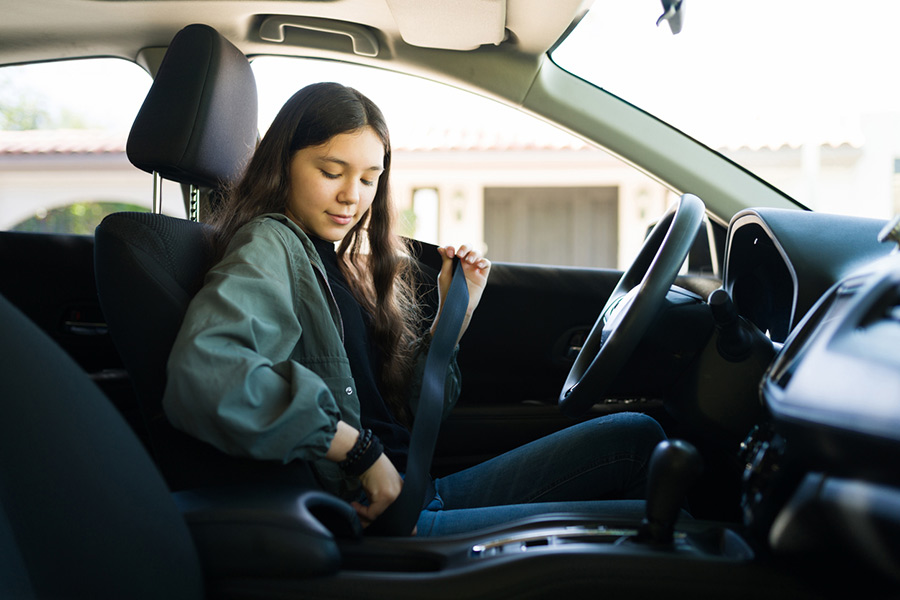
The timeframe between Memorial Day and Labor Day is often referred to as the 100 Deadliest Days of Summer because of the increased risk of fatal crashes involving teen drivers. With school out and schedules more flexible, teens tend to spend more time behind the wheel.
According to AAA’s review of National Highway Traffic Safety Administration crash data, 13,135 people were killed in crashes involving teen drivers between 2019 and 2023. More than 30% of those deaths occurred during the 100 Deadliest Days. In 2023 alone, 860 people were killed in crashes involving teen drivers during that period.
These statistics highlight why teen driver safety deserves extra attention during these summer months. But more time behind the wheel isn’t the only factor increasing the risk.
Why Are the 100 Deadliest Days of Summer So Dangerous for Teens?
There is no single reason crashes involving teen drivers increase during the summer. Instead, several factors can overlap.
- More time spent driving: With school being out for the summer, teens may drive more frequently.
- Less driving experience: Teen drivers are still honing the skills needed to recognize hazards or unexpected situations.
- Greater number of passengers: Driving with friends in the car can create additional distractions, especially for inexperienced drivers.
- Later nights: Summer plans can keep teens out later, meaning they may drive more at night.
- More distractions: Phones, music, food, and conversations with passengers can take a teen driver’s attention away from the road.
- Greater exposure to alcohol: Summer gatherings may put teens in situations where they need to decide whether it’s safe to drive or ride with someone else.
Any of these factors can make driving more challenging for a teen. However, when alcohol enters the picture, the risks become even more significant.
Why Teen Drinking and Driving Is Especially Dangerous
Drinking and driving is a bad idea for anyone, regardless of age. According to the National Safety Council (NSC), 11,904 people died in alcohol-impaired crashes in 2024, accounting for about 30% of all traffic deaths.
Alcohol can impair anyone’s judgment, reaction time, coordination, and decision-making skills. For teens, however, the risks can be even greater. They are still developing their driving abilities and gaining experience behind the wheel, and their brains are still maturing. Because the brain continues developing into a person’s mid-to-late 20s, alcohol can interfere with healthy brain development, creating risks that extend far beyond what’s happening in the car at a given moment. For a closer look at how alcohol affects the body at different blood alcohol concentration levels, review our BAC visual guide.
That’s why conversations about teen drinking and driving should start before they get their license. Talking about alcohol, safe transportation, and what to do when a driver has been drinking can start well before they’re faced with a risky situation.
What Parents Should Talk About Before Teens Head Out
Teen driver safety isn’t only your teen’s responsibility. Parents can help teens prepare for difficult situations by talking through them before they happen. For more guidance, explore our advice on preparing teens for summer parties, pool days, and social pressure.
Before your teen heads out with friends, be sure to ask them the following questions:
- Who will you be with?
- Who’s driving?
- Where are you going?
- How are you getting home?
- What will you do if your driver starts drinking?
Remember, you’re not interrogating your teenager. You’re simply opening the lines of communication so you can create a plan for them to use in case circumstances change.
This is also a great opportunity to establish your family’s X-Plan. Choose a code word, phrase, or letter (like “X”) that your teen can text you whenever they’re in an uncomfortable situation. If you receive the code, it means they need you to come get them without asking any questions. You can always talk later about what happened, but in the moment, safety comes first.
7 Summer Safety Tips for Teen Drivers
Knowing the risks is one thing. Knowing what to do when faced with them is another. Before your teen heads out during the remainder of this summer, review these safety tips:
- Never Drive After Drinking: If your teen has been drinking, make sure they know driving is never an option. Instead, let them know they can call you or another trusted adult for a ride home.
- Never Ride with Someone Who’s Been Drinking: Your teen doesn’t have to be the one driving to be at risk. Insist that they never get into a car with someone who’s been drinking.
- Plan Your Ride Home Before You Go: Don’t wait until the end of the evening to figure out how to get home. Make a plan ahead of time and have an X-Plan in place if things change.
- Buckle Up Every Time: No matter how far they’re driving—a few blocks away or across town—remind them to wear their seat belt every time they’re in the car.
- Put Away Distractions: Texts, notifications, music, snacks, and conversations can all compete for a driver’s attention. Tell your teen to put away their phone and eliminate distractions so they can focus their attention on driving.
- Limit Passengers: A car full of friends can become distracting for an inexperienced driver. Create family rules for how many passengers your teen can transport at a given time.
- Follow the Rules of the Road: Speed limits, traffic signs, and other driving laws exist for a reason. Remind your teen to follow the speed limit, stay alert, and prioritize safety when driving.
Keep the Conversation Going All Summer Long
The 100 Deadliest Days of Summer will soon come to an end, but the lessons teens learn during this time can last all year. Use everyday moments to talk about teen drinking and driving, peer pressure, and distracted driving. Regular check-ins can strengthen your connection while preparing your teen to make healthy choices when you’re not there.
Start talking today and explore Talk it Out NC’s resources for more tools to help your teen make healthy choices this summer and beyond.